One day, browsing a New York flea market,
I found a crate of photographs
—small pieces of evidence that time had passed.
Mostly young men.
The photographs had been taken around a war;
I could tell from the uniforms,
soldiers, and men who might have become soldiers.
And then the others:
wives, widows, infants, orphans—all those smiling faces
before something happened
to them, and to us.
That same day, on my way home,
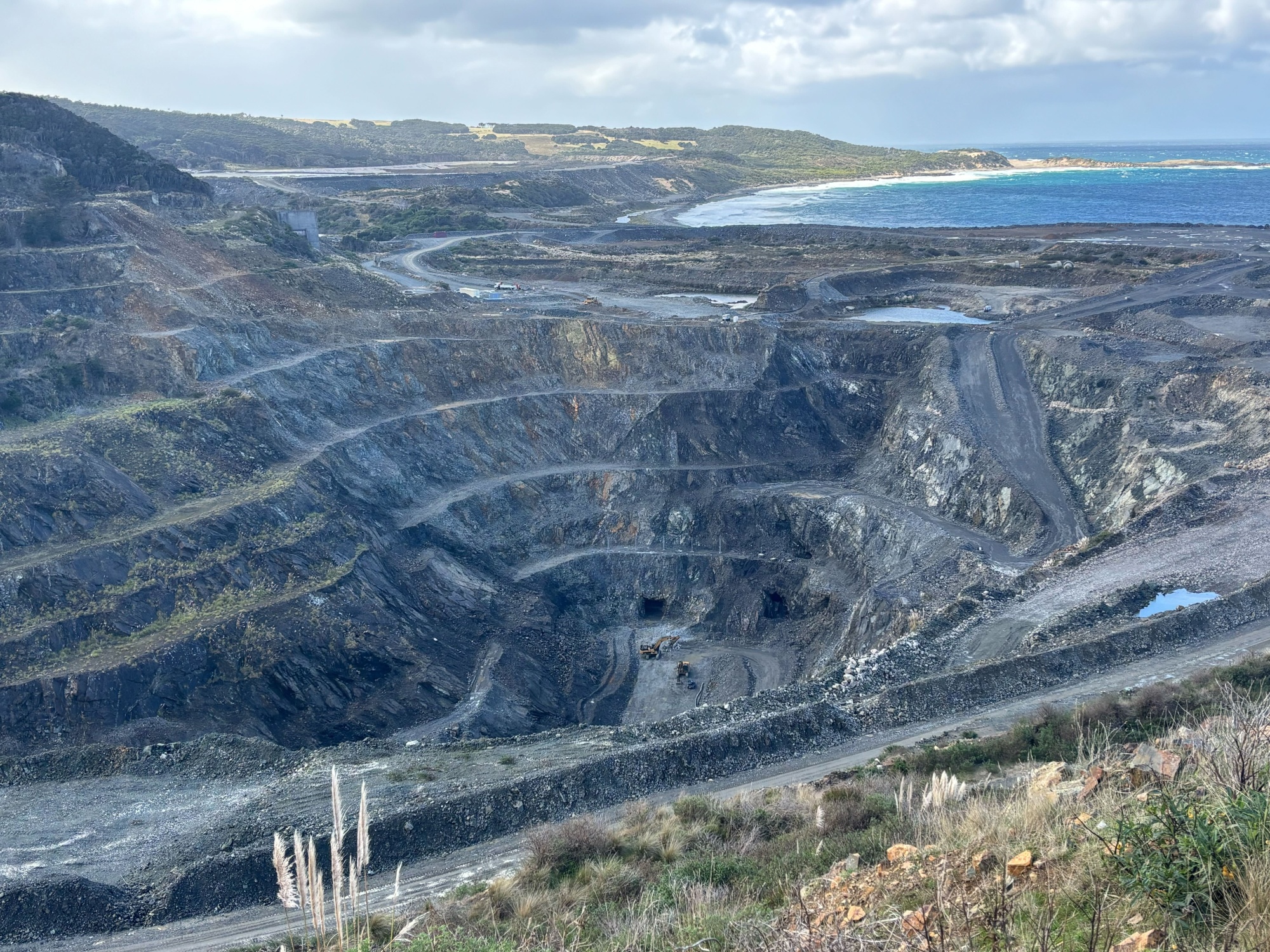
I read that a tungsten mine
sits on King Island,
halfway between Tasmania and Australia.
The mine had opened in 1917,
for the munitions of the First World War,
and closed when peace
collapsed the price of tungsten.
It reopened in 1938,
on the eve of another war.
Then Korea, then Vietnam,
twelve months after the Berlin Wall fell,
it closed again.
Water entered the pit and the underground tunnels.
Workers left.
The settlement became a ghost town.
And now the mine is open again,
in this stupid decade of intelligence.
I think of new photographs and new crates
making their slow way toward us—through houses emptied by war,
through attics, estates, flea markets—waiting for someone
to pick them up.
Whatever we ask of the stars:
give me money,
give me health,
give me one more file that opens,
There will be new ruins.
Not photographs this time,
but broken links, dead pages,
passwords no one remembers,
servers humming in empty buildings,
holding the faces of the disappeared
until even the machines forget what they were called.
And someday, someone will browse among them,
stumbling upon the evidence
of us all.
Image credit : David Fickling

